The Importance of Nutrition
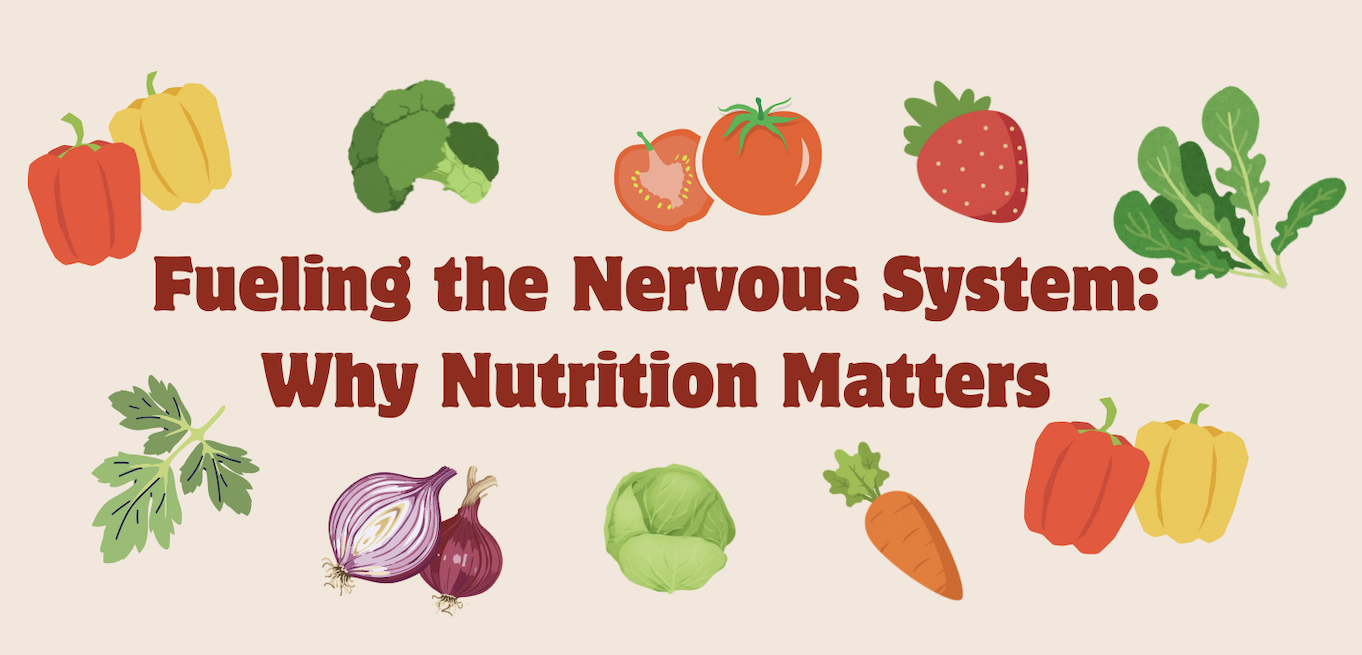
When we think about recovery after a neurologic condition such as a stroke, spinal cord injury (SPI), multiple sclerosis (MS), Parkinson’s Disease (PD), amyotrophic lateral sclerosis (ALS), ect., rehab therapy, medications, and medical care usually come to mind first. But there’s something that’s often overlooked– Nutrition!
Food is not just fuel, it’s also information for your body. What you eat directly affects how your brain and nervous system heal, function, and adapt to changes.
After a neurologic injury or diagnosis, the body goes through many changes:
The brain and nervous system may need to repair damaged pathways
Muscles may weaken due to underuse
Low energy levels
Inflammation in the body increases
Hence why nutrition is so important!
Although we cannot directly give individualized nutrition counseling, there are professionals that can. Working with a registered dietician can help to tailor a plan that best fits your specific needs, goals, and medical condition. See a list of options at the bottom.
Here are a few helpful ideas based on a few specific diagnoses:
Those with multiple sclerosis may benefit from anti-inflammatory nutrition patterns.
In ALS, maintaining weight and energy intake becomes critical as the disease progresses.
After a stroke, the brain needs adequate protein and healthy fats to support healing and neuroplasticity.
After a SCI, metabolism and muscle mass can change, meaning your diet needs to change, too.
Here are a few principles of nutrition that can help almost any individual:
Caloric intake: All food has calories that turn into fuel for our bodies. Healing takes energy. With too little calories, recovery can slow, fatigue increases and muscle loss occurs. With too many calories and not enough exercise or activity, weight gains may occur.
Protein is so important for strength gains: protein helps maintain and build muscle mass which is important for function.
Some good sources of proteins: lean meats, fish, eggs, tofu, greek yogurt, dairy.
BE CAUTIOUS!! If you or your loved one has Parkinson’s Disease and are currently on Sinemet (carbidopa/levodopa), too much protein can lead to reduction in effectiveness of medication.
Healthy fats for brain health: they support cognition and reduce inflammation.
Examples of healthy fats: Salmon, sardines, nuts, olive oil, avocado
Veggies and fruits! The most colorful produce provides a variety of different benefits based on what your body needs.
HYDRATION!! Staying hydrated is so important during recovery and thereafter!
Common Nutritional Challenges in the Neurologic Population:
Difficulty swallowing (dysphagia): may require texture-modified diets or rehab with a speech therapist.
Low appetite or fatigue: eating can feel like a chore when your energy is low. Try smaller, more frequent meals.
Constipation: can be related to decreased mobility, hydration, or medication side effects.
Weight gain: changes in lifestyle, metabolism, or certain medications can contribute to unintended weight gain. Focus on balanced meals, portion awareness, and maintaining physical activity as safely as possible to support your overall health and recovery.
How caregivers and families can help:
Offer balanced, easy-to-eat meals
Keep healthy snacks accessible
Encourage regular hydration
Create a calm, supportive eating environment
Work with professionals!! See if Medical Nutrition Therapy (MNT) is covered by your insurance
BE PATIENT! Eating may take more time and effort than it used to
All in all, nutrition is not about strict rules or perfect meals every time. It’s about supporting your body through its recovery process. Finding a balanced diet will help support better energy levels to improve participation in therapy, will allow maintenance of strength and muscle mass, and improve your overall quality of life.
The recovery process after a neurologic diagnosis can feel overwhelming, but here at Precision Rehabilitation, we are a part of your care team and we are here to support you! Although we cannot directly give individualized nutrition counseling, there are professionals that can. Working with a registered dietician can help to tailor a plan that best fits your specific needs, goals, and medical condition. Here is a short list of various options that are virtual or local to the LA/OC area:
*Please be informed that your insurance may not cover nutrition therapy. Please seek guidance from your PCP or check with your insurance to see what options are available for you.
Virtual Nutrition Care
Culina Health. https://culinahealth.com/
Accepts: Aetna, Blue Cross, Blue Shield, Cigna
Cash Pay
Hoag Wellness Programs: $90 per visit; offer virtual or in-person at Newport Beach office or Irvine office.
Superbill can be provided upon request to submit as a claim to insurance
Referral Required
Memorial Care Outpatient Nutrition; offers virtual or in-person at Saddleback Medical Center (Laguna Hills).
Accept referrals from both in-network and out-of-network; they will review insurance coverage options before scheduling appointments
Also offer cash discount if insurance coverage is not an option
Memorial Care Medical Group (required referral from Memorial Care physician); offers virtual or in-person services in Long Beach, Fountain Valley, Irvine, and Mission Viejo
Resources
National Institutes of Health. (2023). Breaking down food: A closer look at what you eat. NIH News in Health. https://newsinhealth.nih.gov/2023/08/breaking-down-food
National Institutes of Health. (2024). Healthy eating linked to better brain health. NIH News in Health. https://newsinhealth.nih.gov/2024/12/healthy-eating-linked-better-brain-health
Truscott, E. (2024). The power of protein for brain health. University of Florida Norman Fixel Institute for Neurological Diseases. https://fixel.ufhealth.org/2024/12/18/the-power-of-protein-for-brain-health/